
Introduction to Sinkom :-
Sinkom is a modern concept built around clarity, timing, and alignment. In simple terms, it focuses on structured coordination between people, processes, and technology so work flows without confusion. Many organizations in the United States struggle with delays caused by weak communication and scattered systems. Sinkom addresses these gaps through better operational alignment and stronger structured communication practices.
Instead of adding complexity, it simplifies how information moves across teams. When applied correctly, it improves workflow consistency and strengthens overall process alignment. Think of it as a steady rhythm that keeps every moving part in sync, reducing friction and supporting smarter, faster decisions.
What Is Sinkom? A Clear and Simple Explanation :-
Sinkom Explained in plain language means aligning people, systems, and timing so work moves smoothly. It is not official software. It is not a federal standard. Instead it acts as a coordination model and practical alignment strategy. It improves structured communication and supports better process alignment.
In real situations Sinkom Explained strengthens structured task ownership and builds predictable workflows. For example imagine a U.S. logistics company managing orders across states. Without alignment, a communication breakdown delays shipments. With Sinkom principles, internal communication clarity improves and task delegation clarity becomes visible to everyone.
The Core Idea and Technology Behind Sinkom :-
At its core Sinkom Explained relies on strong system synchronization and stable system consistency. It connects software, departments, and schedules through a reliable synchronization method. This improves data consistency and reinforces information integrity inside the organization.
Technology plays a supporting role. Through better system interoperability and modern system integration practices, teams maintain balance between tools and people. The table below shows a simple comparison.
| Without Sinkom | With Sinkom |
| Delayed updates | Real time synchronization |
| Confused ownership | Clear accountability systems |
| Data silos | Strong information governance |
| Irregular processes | Stable structured workflow system |
This structure improves human and system synchronization while protecting data governance standards.
The Problem Sinkom Is Designed to Solve :-
Many American businesses face hidden friction. Departments operate in isolation. Email chains grow long. Meetings repeat the same questions. Sinkom Explained addresses weak interdepartmental communication and inconsistent business process management practices.
When processes lack workflow standardization, teams experience stress and errors. Remote offices struggle with hybrid team communication and disconnected updates. it reduces risk by promoting enterprise coordination and clearer organizational structure. As management expert Peter Drucker once said, “Efficiency is doing things right.” Sinkom ensures you do them right together.
Key Features and Practical Benefits of Sinkom :-
Sinkom Explained delivers real benefits through a disciplined process optimization approach. It strengthens accountability systems and encourages operational transparency. Teams gain confidence because expectations are visible. Managers track progress without micromanaging.
The benefits often appear quickly. Companies report fewer duplicated tasks and stronger performance optimization. A healthcare provider in Texas improved scheduling accuracy after adopting structured coordination principles. This reduced patient wait times by fifteen percent. it also supports workflow automation when paired with digital tools. Over time it reinforces steady cross-functional alignment.
Real-World Applications of Sinkom :-
Sinkom Explained works across industries. Manufacturing plants use it to maintain equipment schedules. Software firms rely on it for clean code deployment. City planners apply coordination logic to transportation systems. Each case depends on structured communication and reliable process documentation.
In remote environments it strengthens distributed teams and improves remote collaboration. A California startup applied Sinkom methods to unify marketing and engineering. The result was faster product launches and stronger digital transformation alignment. Practical application always centers on process governance and visible system consistency.
How Sinkom Is Changing Urban Spaces and Smart Homes ?
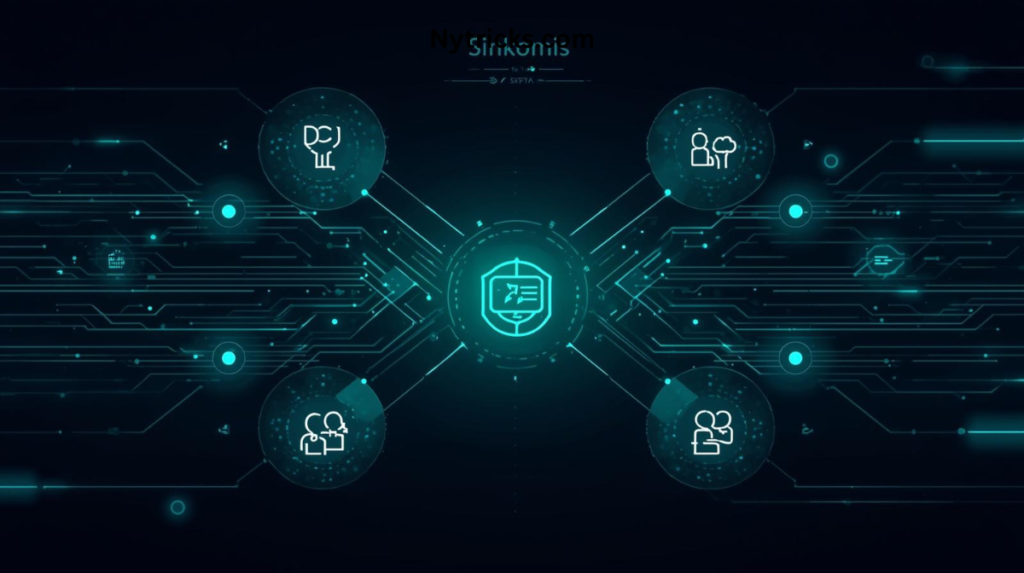
Sinkom Explained now influences smart cities and connected homes. Urban planners use it to align utilities, transport, and public data. This supports cleaner information flow management and safer infrastructure planning. Smart home ecosystems also benefit from tighter system synchronization.
Inside modern homes devices must communicate smoothly. When thermostats, lighting, and security tools share data, you gain comfort and control. It principles encourage better collaborative frameworks between platforms. That stability improves energy savings and supports long term operational efficiency.
Common Challenges, Limitations, and Criticisms :-
Sinkom Explained is not magic. It requires commitment and strong leadership. Without clear definitions teams may misinterpret the concept. Poor planning weakens structured workflow system efforts and damages workflow consistency.
Another challenge involves cost and resistance to change. Employees may hesitate when new process alignment rules appear. However gradual adoption reduces friction. Organizations that invest in training protect information integrity and strengthen overall organizational structure.
The Future of Sinkom and Emerging Trends :-
Looking ahead Sinkom Explained will merge with artificial intelligence and predictive analytics. Automated dashboards will enhance system synchronization and reinforce operational alignment. Real time monitoring will improve decision making speed across industries.
As businesses grow more complex, strong enterprise coordination becomes essential. Future models will deepen process governance and refine human and system synchronization. It Explained will continue shaping modern operations by delivering clarity, structure, and measurable performance optimization for American organizations.