
Introduction to Nucleotides:-
Nukleotidy are tiny yet powerful molecules that keep your body running at the most basic level. These biological molecules in cells act as the building blocks of DNA and the building blocks of RNA, carrying the instructions your body needs to grow, repair, and function. Every heartbeat, thought, and movement depends on these remarkable compounds.
They belong to a group of organic molecules in the body that support energy production, genetic stability, and communication between cells. Without them, life could not exist. By understanding Nukleotidy, you gain insight into the molecular biology basics that shape health, development, and the hidden processes working inside you every single day.
What Are Nucleotides Made Of? (Structure Explained Simply)?
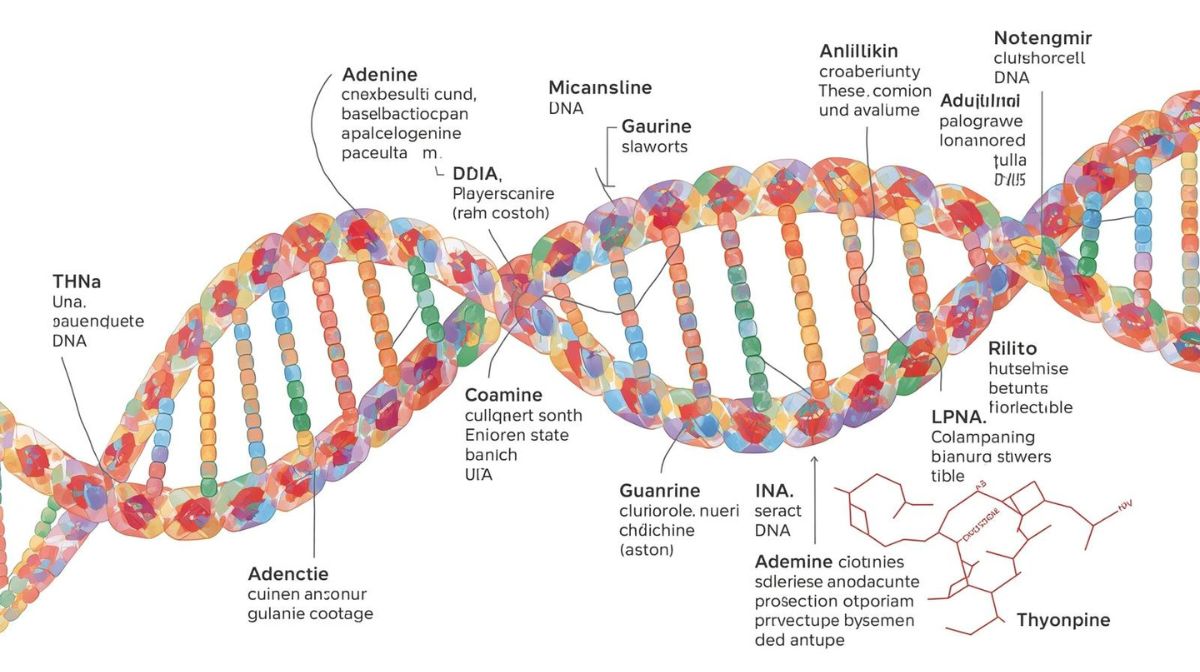
Every Nukleotidy unit has three main parts of a nucleotide that work together like a smart toolkit. It contains a sugar, a phosphate group, and one of the nitrogenous bases. These join to form the sugar and phosphate backbone, which protects the delicate DNA components and RNA components inside each cell.
This design supports the molecular biology basics you learned in school. The order of bases forms a genetic code sequence used during the protein production process. Structure controls purpose. That link drives enzyme reactions in the body and ensures steady metabolism support during daily activity.
| Component | Role in Nukleotidy | Why It Matters |
| Sugar | Structural base | Stability |
| Phosphate | Links units | Chain formation |
| Base | Code carrier | Information |
Types of Nucleotides Found in Nature:-
Nature uses specific DNA components and RNA components to build life. DNA relies on adenine thymine cytosine guanine, while RNA swaps thymine for uracil in RNA. These bases belong to purines and pyrimidines, categories that shape the biological code of every organism.
These differences influence the protein production process and many cell signaling pathways. DNA is stable for genetic information storage. RNA acts quickly during cellular processes. Together they support cell growth and repair and long-term tissue repair and regeneration.
Key Biological Functions of Nucleotides:-
Nukleotidy drive essential nucleotide function inside every tissue. They support cell metabolism molecules and power cellular energy transfer through the ATP energy molecule. This fuels motion, thinking, and healing. They also guide enzyme reactions in the body, which regulate metabolism support.
They also manage cell signaling pathways that coordinate immune system support and recovery after illness. Their role in life processes in cells affects breathing, digestion, and circulation. This makes Nukleotidy central to health and wellness at cellular level.
| Function | Example | Impact |
| Energy | ATP | Movement |
| Signaling | cAMP | Healing |
| Coding | DNA | Traits |
Differences Between DNA and RNA Nucleotides:-
DNA Nukleotidy contain deoxyribose sugar, which makes the structure stable. RNA Nukleotidy use ribose sugar, which makes them flexible. This small shift changes human cell function and the speed of the protein production process.
DNA stores long-term DNA instructions for life. RNA supports fast cellular processes and quick cell growth and repair. Both are needed for balanced metabolism support and accurate genetic code sequence reading.
| Feature | DNA | RNA |
| Sugar | Deoxyribose | Ribose |
| Base | Thymine | Uracil |
| Role | Storage | Action |
Why Nucleotides Matter for Human Health?
Your body replaces billions of cells daily through cell division and growth. Nukleotidy supply the materials for tissue repair and regeneration and steady immune system support. They are vital during stress, illness, and growth.
They help maintain digestion and gut health, support infant development biology, and assist recovery after illness. These benefits show why Nukleotidy influence health and wellness at cellular level and keep vital cellular processes running smoothly.
Dietary Sources of Nucleotides:-
Food provides Nukleotidy naturally. Rich sources include liver, fish, beans, mushrooms, and breast milk. These foods contain cell metabolism molecules that support human cell function and long-term metabolism support.
A balanced diet ensures steady tissue repair and regeneration and strong immune system support. Good nutrition also strengthens digestion and gut health, which improves nutrient use during cellular processes.
| Food | Benefit |
| Fish | Energy support |
| Legumes | Growth |
| Mushrooms | Repair |
Nucleotide Supplements Do You Need Them?
Most healthy people get enough Nukleotidy from food. Supplements may help during illness, heavy training, or early infant development biology. Research links them to better recovery after illness and faster cell growth and repair.
However, balance matters. Too much may disrupt cellular processes. A doctor should guide use to protect health and wellness at cellular level and stable immune system support.
Medical Importance and Emerging Research:-
Modern medicine uses Nukleotidy knowledge in antiviral drugs and cancer treatments. Scientists study how they influence cell signaling pathways and improve tissue repair and regeneration.
Research also explores gut therapies linked to digestion and gut health. Advances in genetics aim to improve genetic code sequence accuracy. These discoveries expand understanding of the molecular structure of life.
Safety, Side Effects, and Final Summary:-
Nukleotidy from food is safe. Problems are rare. Supplements require care. Excess may affect metabolism support or cellular processes in sensitive people.
In simple terms, Nukleotidy powers your cells, stores your DNA instructions for life, and drive life processes in cells. They support energy, healing, and growth. Understanding them helps you value the molecular biology basics behind everyday health.
FAQs:-
What are the 5 common nucleotides?
Adenine, Thymine, Cytosine, Guanine, and Uracil are the five main nucleotides found in DNA and RNA.
What happens if you lack nucleotides?
Low nucleotide availability can slow cell growth, weaken immunity, and reduce the body’s ability to repair tissues.
What foods contain nucleotides?
Fish, meat, liver, legumes, mushrooms, and breast milk naturally contain nucleotides.
What is a nucleoside?
A nucleoside is a base plus a sugar, without the phosphate group found in a nucleotide.
What do nucleotides do for your body?
They build DNA and RNA, provide cellular energy (ATP), and support cell repair, metabolism, and immune function.