
Introduction to Beit Bart:-
Beit Bart is a term deeply rooted in Middle Eastern heritage, symbolizing more than just a traditional house; it represents a rich cultural identity and the legacy of generations. Often associated with family legacy and craftsmanship, Beit Bart homes are significant in preserving the region’s history and architectural beauty.
These structures, known for their heritage architecture, reflect the cultural storytelling of the people who built them, offering a window into the past. Over time, it has become an iconic representation of social status architecture and community living, making it a valuable subject of study and preservation. This guide will explore everything you need to know about Beit Bart and its cultural importance.
What Is Beit Bart?
The term Beit Bart refers to a traditional dwelling that carries deep meaning in its very name. “Beit” means house or home in Arabic, while “Bart” often refers to a family name or a place-specific term, depending on the region. In many contexts, Beit Bart is used to describe a traditional house or family residence that holds significant cultural symbolism. These homes are often passed down through generations, representing the family legacy and the unique stories tied to that particular place.
The meaning of Beit Bart goes beyond the physical structure. It embodies the traditions, values, and cultural storytelling of the people who built and lived in these homes. These structures are often seen as landmarks in their communities, reflecting the social status architecture and craftsmanship of the time.
The Historical and Cultural Background of Beit Bart:-
The origins of Beit Bart can be traced back to the Middle East, where these houses were built as a direct response to the region’s harsh climates. The use of thick mudbrick walls and stone architecture allowed these homes to stay cool during the hot summers and warm during cold winters. In addition to providing protection from the elements, its structures were designed to promote community living, often built around central courtyards for ventilation and social gatherings.
Throughout history, Beit Bart homes were often built by prominent families and became centers for trade, education, and social activities. These homes were landmarks in their regions, serving not just as family residences, but as symbols of the family’s cultural identity and status. Over time, these structures have become important for historical research and heritage preservation efforts as communities aim to protect them from urban development pressures and environmental degradation.

Architectural Features of Beit Bart:-
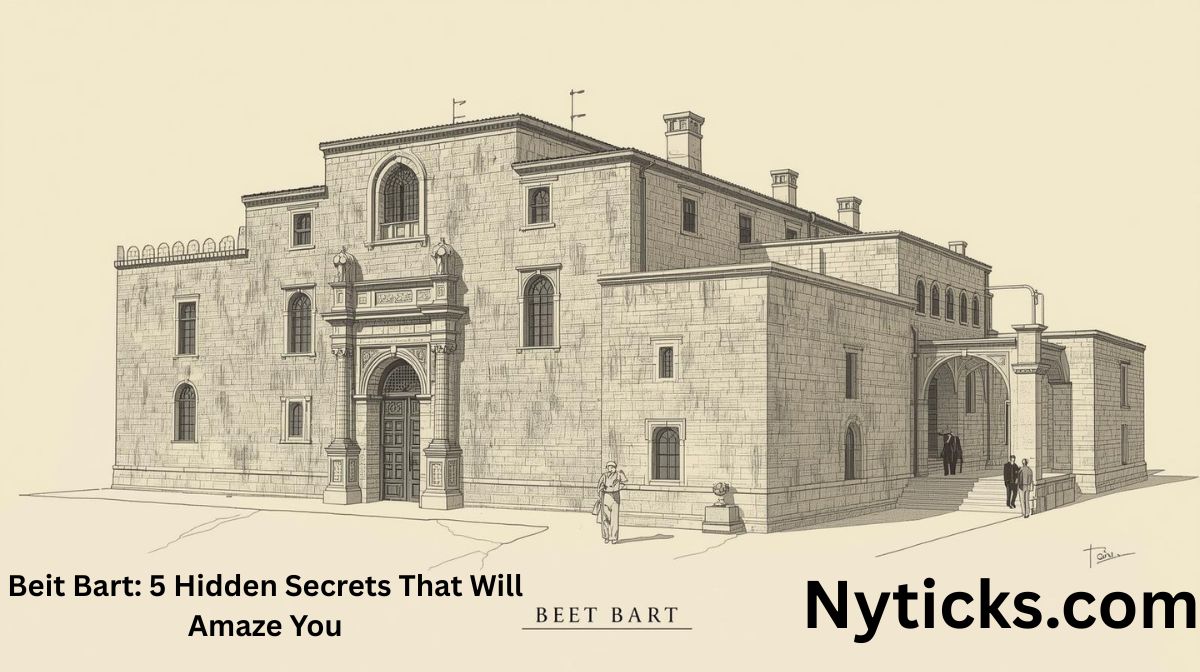
One of the defining aspects of Beit Bart homes is their architectural design. The architectural design of Beit Bart homes incorporates unique features that are both functional and symbolic. Key elements such as arched doorways, thick stone walls, and mudbrick walls are typical in the construction of these homes. These features were not only meant to provide shelter but also to symbolize cultural heritage preservation.
The layout of these homes often includes courtyard designs that serve as gathering places for families and community members. These spaces encourage interaction, family unity, and the sharing of stories and traditions. The use of local materials and the intricate craftsmanship displayed in the stone architecture highlights the social status architecture that was once prevalent in these structures.
Why Beit Bart Is Gaining Popularity Online?
Beit Bart has captured the attention of many people across the globe, particularly due to the rise of social media and the internet. As people become more interested in heritage architecture and cultural roots, it has emerged as a popular subject for architectural bloggers, historians, and travelers alike. Through online platforms, it is being showcased for its beauty, cultural significance, and historical value, leading to a surge in its popularity.
The growing appreciation for traditional homes and modern design inspiration has further fueled interest in these architectural gems. Social media platforms and websites dedicated to cultural museums and heritage centers play a major role in bringing attention to Beit Bart, creating a space for discussions on how to integrate such traditional designs into modern living spaces. As a result, the term it is being searched more frequently by those eager to learn about the role these structures play in both the past and present.
Beit Bart and Heritage Preservation:-
Preserving Beit Bart is critical to maintaining the cultural identity of the communities that built them. Over the years, these structures have faced numerous challenges, including urbanization, environmental degradation, and a lack of funding for restoration projects. Despite these challenges, there are ongoing efforts to protect these homes and restore them to their original glory. Local communities, governments, and non-profit organizations are working together to ensure that these homes are preserved for future generations.
In addition to preserving cultural heritage, these homes serve as educational tools for younger generations, teaching them about traditional architecture and the importance of community involvement in heritage preservation. Restoration efforts are often supported by volunteers, historians, and architects who aim to maintain the integrity of the historic buildings while incorporating sustainable solutions for the future.
Must See Attractions and Unique Experiences in Beit Bart:-
For those interested in visiting Beit Bart, there are several must-see attractions and unique experiences to be had. Beit Bart homes are often located in regions rich in cultural history, and many of them are open to the public as part of heritage centers or cultural museums. These sites offer tours that explain the history and architecture of the buildings, as well as the families that once lived in them.
In addition to the homes themselves, visitors can enjoy local festivals, markets, and cultural events that celebrate the traditions and values of the region. For example, some Beit Bart homes have been transformed into cultural museums, allowing visitors to experience firsthand the lifestyle, customs, and history of the area.
Culinary Delights at Beit Bart:-
Visiting Beit Bart is not just about exploring architecture and history it’s also about savoring the local cuisine. The Middle East is known for its rich culinary traditions, and Beit Bart is no exception. Visitors can enjoy traditional dishes that have been passed down through generations. From spiced meats to freshly baked bread, the food at it reflects the flavors of the region and adds to the overall cultural experience.
Many Beit Bart homes have local cafes or restaurants where travelers can enjoy authentic meals. These places often serve dishes that are a part of the area’s cultural storytelling, tying the flavors to the history of the family and the house itself. Trying these dishes is an essential part of the experience when visiting it.
Frequently Asked Questions About Beit Bart:-
If you’re thinking about visiting or learning more about Beit Bart, you likely have some questions.
- What is the best time to visit Beit Bart?
- The best time to visit is during spring or fall, when the weather is pleasant, and many cultural events take place.
- Is Beit Bart a specific place or a general term?
- it can refer to a specific family residence or a general term for traditional homes in the Middle East.
- Can Beit Bart homes be modernized?
- Yes, many modern homes take inspiration from Beit Bart architecture, incorporating elements like courtyards and natural materials while maintaining traditional design elements.
Final Thoughts on Beit Bart: Why It’s Worth Visiting?
Beit Bart is more than just an architectural marvel; it is a vital part of the cultural and historical fabric of the Middle East. Its beauty lies not only in its design but in its ability to tell the stories of the families who lived there and the communities that have kept these traditions alive.
Whether you’re a history lover, an architecture enthusiast, or someone looking for unique travel experiences, it offers something for everyone. The preservation of these homes is essential to maintaining the cultural identity and heritage of the region. By understanding the significance of it, we are better able to appreciate the intricate balance between heritage architecture and modern living.